Ancestral Altars for Healing: 5 Steps to Get Started
- Nov 4, 2023
- 5 min read
Updated: Jan 30, 2024

Ancestral altars are created to dedicate a space to deceased loved ones. At this altar, ancestral veneration is practiced, a practice that brings forth healing.
The cultural and religious practice of honoring deceased family members and loved ones is practiced across the world in a variety of cultures and societies. Ancestral veneration is not tied to only one culture or one group, nor does it mean you practice a certain religion or that you are disrespecting your religion of choice. We all have deceased loved ones and through the creation of an altar for your ancestors, you can create pathways of healing grief, building familial identity, and strengthening the soul and spirit.

Why create an altar for your ancestors?
1. You want to honor your family's lineage and memories.
2. You are seeking ways to process grief after the death of a loved one.
3. You want to welcome gratitude and unity into your life.
4. You are prepared to begin emotional healing for you and your bloodline.
5. You desire to increase your spiritual abilities.
There is deeper work you can do with your altar and ancestors, but this post is specifically for the beginner. Explore reasons to create a family tree and how to begin genealogy research to deepen the work at your altar. You do not need to know all of the specific details of your ancestors' lives; you only need to know how to move with clear intentions and set sacred space.
Step 1: SELECT A PLACE

Select a space that will be undisturbed by others, can hold your materials/images, and where you can spend time alone in peace. A bookshelf, a closet, a drawer, or even a box can be the setting for your altar. Decide on how much time you want to spend at your altar, a few minutes a day or hours on weekends. This will guide your setting. Do you want others to see your altar? Where would it give you the most inspiration and not get neglected?
An ancestral altar is where the spiritual and physical meet, this is a place where you can meet with your ancestors to give thanks, ask for advice, and more. Keep this meeting place clean and in honorable shape.
Step 2: GATHER PICTURES

Based on your desires and setting, select the ancestors you are honoring with a picture or an heirloom that belonged to them. All of our family dynamics are different. You may have pictures, and you may not. You may know names, and you may not. Begin with an ancestor you are familiar with or whom you desire to connect more with. If you do not have photographs or heirlooms, simply write their name down on paper and frame it.
Do not use pictures of your deceased loved ones with living relatives on the altar. The altar is a specific area that should only hold images and items from the deceased, not the living. You can place pictures in other places throughout your home leaving this as an intentional ancestral space.
Step 3: CLEANSE THE SPACE AND ITEMS
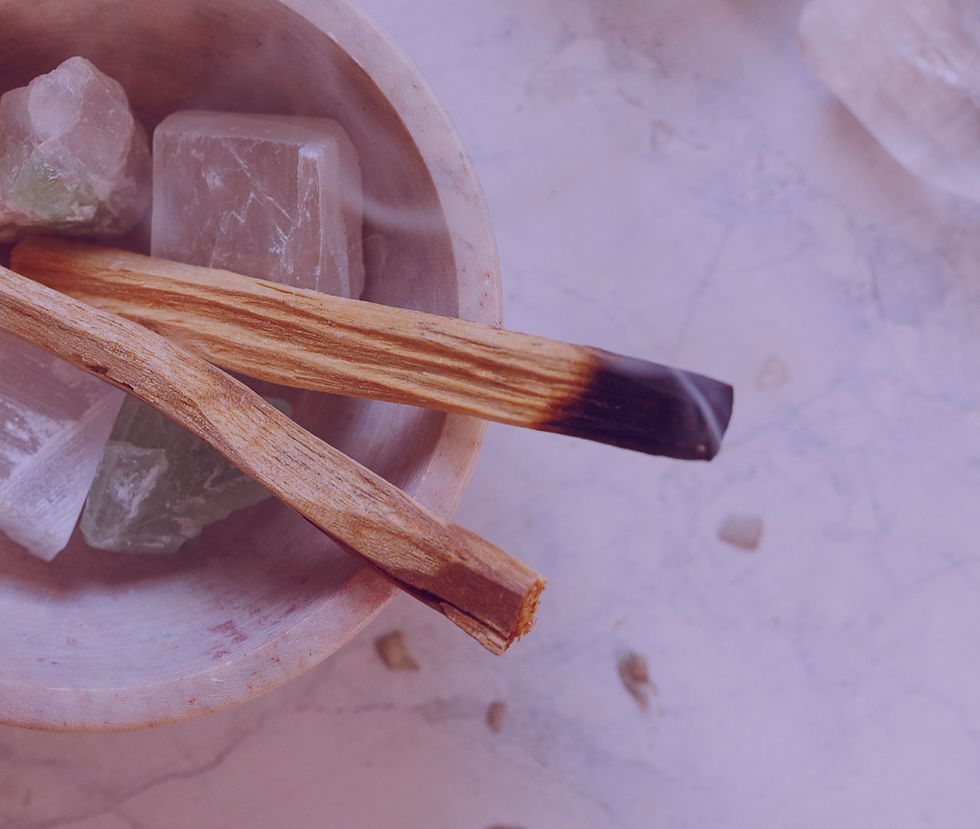
As the old saying goes, 'Cleanliness is next to Godliness'. Cleanse your area and the items you will place on the altar physically and spiritually. If you are having your grandparents over wouldn't you be sure to clean the space? This is the same notion. Cleansing with water set with intentions by speaking over it before cleaning is a cleanse. I personally use Florida Water which is homemade or purchased online.
Sage is not necessary for cleansing. New Age spiritualists are abusing many items for spiritual cleansing. Please visit the blog on spiritual cleansing for options in terms of cleansing your space.
Step 4: ITEMS OF PURPOSE AND MEANING
With your ancestors in mind, think of and gather heirlooms that are connected to your ancestors. My grandmother was a seamstress so I keep thread and needles on my altar along with a hat that was hers. If you know things your ancestors enjoyed, personalize the space based on their likings, not yours. You are designing a space that is welcoming of your ancestors, focusing on their enjoyment first and foremost.
Step 5: THE FOUR ELEMENTS TO ACTIVATE THE ALTAR
The four elements are the foundation of the physical world: Earth, Air, Fire, and Water. Having these elements placed at your altar gives an opportunity for ritual and creates the portal for the fifth element, spirit.
WATER
Cool water in a glass cup should be placed in your altar space. Water is a vessel of transportation; it carries messages and memories. Our bodies are made of 70% water, water is within and around us. Water is cleansing, water is healing and on your altar water is necessary. You can allow the water to stay at your altar, or create a ritual by placing water at your altar when you are intentionally visiting your altar.
EARTH
A plant can be placed at or near the altar. Crystals, wooden items, and stones can be used to represent Earth on your altar. Earth provides a feeling of groundedness creating a reminder that the soil carries the energy of those who walked the Earth before us.
AIR
We cannot live long without air. Incense is a great representation of air; air can also be represented with feathers, birds (images or miniature statues), and the burning of specific herbs. Meditative deep breaths can also activate the air element at your altar.
FIRE
When your altar is warm it is on. Lighting a candle provides warmth and welcomes the spirit of the ancestors you are calling on. When lighting the candle state "May this light guide my benevolent ancestors to me, receive my words of gratitude, and share this moment and space with me."
WHAT TO DO AT THE ALTAR?
Connect. The depth of your experience with your altar is purely dependent on you and what you desire from this practice. Please note: if you are creating an altar you are responsible for maintaining at least one task routinely. We all know Grandma loves it most when you call often, and so do the ancestors.
Below is a list to get you started with interacting with your altar and can include many other things. This is your healing journey and the more you do this work the more will be revealed for you.
Meditate. Light the candle, burn some incense, and breathe. Focus on your breath and release.
Journal. Having a journal at or around your altar to write thoughts, prayers, and processing of events can give the sense of their presence feeling conversational recording thoughts and emotions that surface.
Give a prayer of thanks to the lives of your benevolent ancestors. Give thanks to their sacrifices known and unknown, their victories and triumphs that lead to your qualities of strength and awareness.
Talk to your ancestors. Just talk like you are on the phone. Talk aloud about what you are grateful for, and what you want to speak into your life. Share your accomplishments and even share a drink with them. which leads to...
Eat and drink at your altar. Prepare a plate on a white dish and place water, liquor, or coffee in a glass cup. Sit at the altar and eat from a separate dish. After a night, take the food and give it to the Earth.
Work on forgiveness. This is an entire process in itself, but forgiveness truly begins with forgiving yourself and then working to release. You can ask the ancestors to ease your mind and heart. You can also guide them in forgiving and releasing as well.
Acknowledge the hurt that exists in your family. The trauma of our family can last for generations, write those traumas and safely burn them at the altar. Not only liberate yourself but liberate your family from generational patterns of pain.
Sing. Sing the songs you know your family loved, songs that are connected to your culture.
Dance. Play music and move around. Dance fast, dance slow, dancing is good for you mentally and physically, so enjoy!

My ancestral work has led to great healing within myself and my family. I pray you receive the healing and connection you are seeking.



Comments